The United Rugby Championship has quietly become one of the most compelling club rugby competitions in the world. What began years ago as a regional league has evolved into a truly international championship, blending history, rivalry and modern rugby into a product that feels fresh every season.
Since its rebrand to the URC, the competition has found its identity. Sixteen teams from Ireland, Wales, Scotland, Italy and South Africa compete across a long regular season before the top sides battle it out in the playoffs. The result is a league that rewards consistency, squad depth and adaptability across vastly different playing conditions.

A Shift in Power and Style
One of the defining features of the URC in recent seasons has been the balance of power. Irish provinces have remained strong, particularly Leinster, Munster and Ulster, but they are no longer dominant by default. Scottish teams have grown in belief, Italian sides are more competitive than ever, and South African franchises have added a new level of physicality and edge.
The arrival of South African teams has arguably been the biggest game changer. Their inclusion brought harder collisions, faster breakdown contests and a different tactical approach. Matches in Pretoria, Cape Town and Durban have become some of the toughest away fixtures in club rugby, forcing northern hemisphere teams to evolve their game.
At the same time, South African sides have had to adjust to colder climates, heavy pitches and fast-paced European rugby. This constant contrast is a major reason why URC matches feel unpredictable and intense.

Recent Champions and Memorable Finals
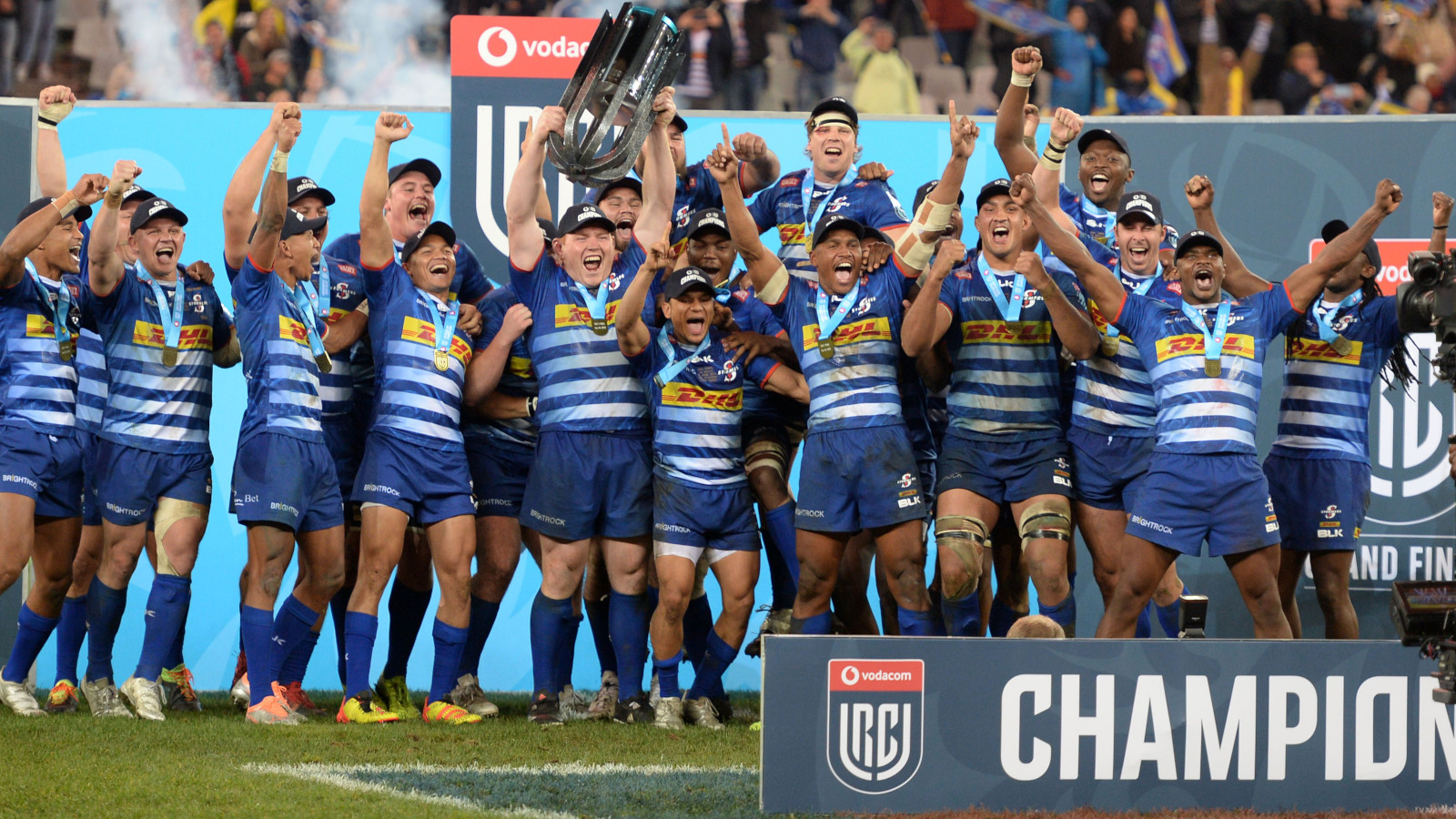
Recent URC finals have shown just how tight the competition has become. Glasgow Warriors’ title win in Pretoria was a landmark moment, not only because of the comeback victory but because it proved that winning on South African soil is possible at the highest level.
Leinster’s most recent championship win was a statement of resilience. After seasons of near misses, they combined their academy depth with experienced internationals to dominate the playoffs and reclaim the trophy in front of a massive home crowd. It was a reminder that while the league has become more competitive, elite systems still matter.
Munster’s earlier title success also deserves mention. Their run through the playoffs was built on grit, defensive discipline and belief rather than star power alone, capturing what many fans love most about the URC.
The Rise of New Contenders
What makes the modern URC exciting is the sense that any well-run team can compete. Glasgow and Edinburgh have closed the gap on traditional powers. Benetton have transformed from underdogs into genuine threats, capable of upsetting top sides at home and away. Even teams lower on the table now play with confidence rather than survival fear.
This competitiveness has lifted the overall quality of the league. Matches are faster, tactics are sharper, and the margins between winning and losing are thinner than ever.
Player Development and National Impact
The URC has become a vital pathway for international rugby. Young players are exposed to high-pressure environments early in their careers, facing different styles week after week. That variety has helped produce more complete players, especially in positions that demand decision-making under pressure.
Irish and South African depth in particular has benefited, with fringe internationals gaining meaningful minutes rather than sitting on benches. The league has also given experienced players a platform to reinvent themselves or extend their careers through intelligent, structured rugby.
Fans, Atmosphere and Identity
Crowds have grown steadily, and the atmosphere at URC matches feels more authentic with each season. Traditional derbies still carry emotional weight, while new rivalries between northern and southern teams are beginning to take shape.
The league has also done well to lean into its regional identities. Local pride matters in the URC, whether it is a packed stadium in Limerick, a rainy night in Glasgow or a sun-soaked afternoon in Cape Town.
Looking Ahead
The United Rugby Championship is no longer a competition trying to prove itself. It has become a destination league with its own character and rhythm. As squads continue to improve and rivalries deepen, the gap between the URC and other elite competitions continues to shrink.
If recent seasons are any indication, the future promises more drama, more unpredictability and more moments that remind fans why club rugby matters. The URC has found its stride, and it looks like it is only getting started.